
Resolve the category and intent mismatch
What the review found
The reviewed dessert appeared in a vegetable-dishes category, while several visible ranking terms related to savory meals or unrelated ingredients.
 Enlarge image
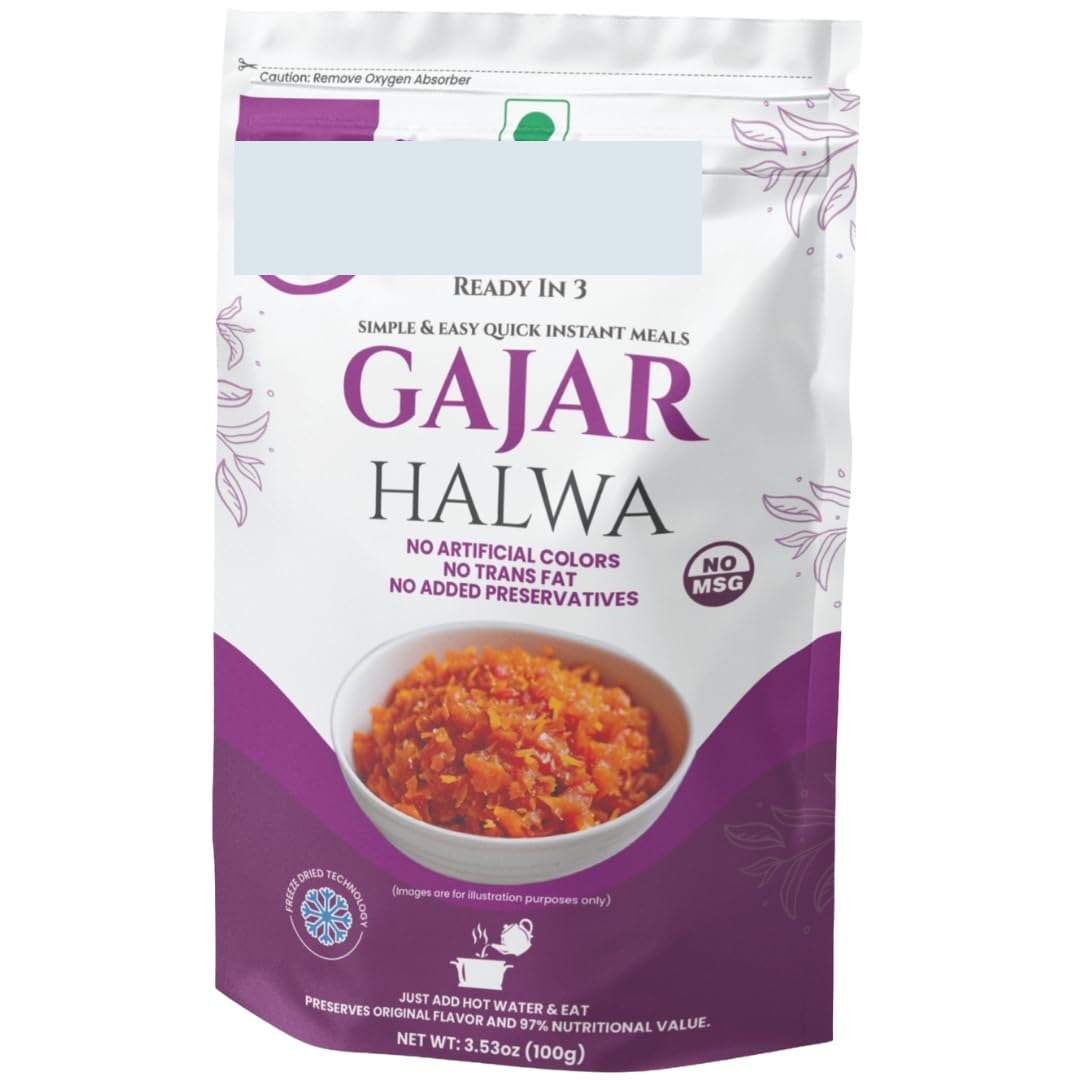
Original dessert-pack image. “Ready in 3” omits the time unit, and the absorber-removal instruction appears at the top. The review prioritizes clear preparation and product identification; it does not independently substantiate every claim printed on the pack.
Identifying details redacted; original data retained.Open full sizeWhy it matters commercially
Shoppers arriving with the wrong intent may not understand or want the offer. The mismatch is commercially more significant than a decorative content change.
Recommended next move
Verify the appropriate category and accurate product attributes. Align the listing around dessert intent and monitor the effect rather than promising automatic re-indexing or rank gains.
Make the content match the selected product
What the review found
The audit found savory meal imagery and other product packs in the dessert’s supporting images and A+ modules.
 Enlarge image
Original A+ section from the reviewed dessert listing: the food shot is savory and the pack is a different meal. The brand mark is redacted. This mismatch is the visual evidence behind aligning every module with the selected product.
Identifying details redacted; original data retained.Open full sizeWhy it matters commercially
A shopper evaluating one food can become uncertain when the page presents another. Generic catalog content can weaken a specific product’s offer.
Recommended next move
Use the selected product consistently in the key modules. Introduce cross-selling only after the current item and its use are clear.
Clarify preparation and essential product information
What the review found
The creative review identified ambiguous preparation-time wording, small mobile text and cluttered ingredient information. It also flagged contact details in an image and the need for a clear absorber-removal instruction.
Enlarge image Original dessert-pack image. “Ready in 3” omits the time unit, and the absorber-removal instruction appears at the top. The review prioritizes clear preparation and product identification; it does not independently substantiate every claim printed on the pack.
Identifying details redacted; original data retained.Open full sizeEnlarge image Original A+ section from the reviewed dessert listing: the food shot is savory and the pack is a different meal. The brand mark is redacted. This mismatch is the visual evidence behind aligning every module with the selected product.
Identifying details redacted; original data retained.Open full size Enlarge image
This supporting image says “Ready in 3 Minutes,” whereas the main pack says “Ready in 3.” Consistency across the image sequence is part of the proposed preparation-clarity improvement.
Original audit image.Open full sizeWhy it matters commercially
Practical information affects safe, successful use and customer confidence. Visual refinements should not bury the details buyers need.
Recommended next move
Verify and standardize preparation instructions. Make ingredients, allergens and important handling information legible; remove unrelated contact details and use supported product claims.
Compare conversion before choosing the next traffic test
What the review found
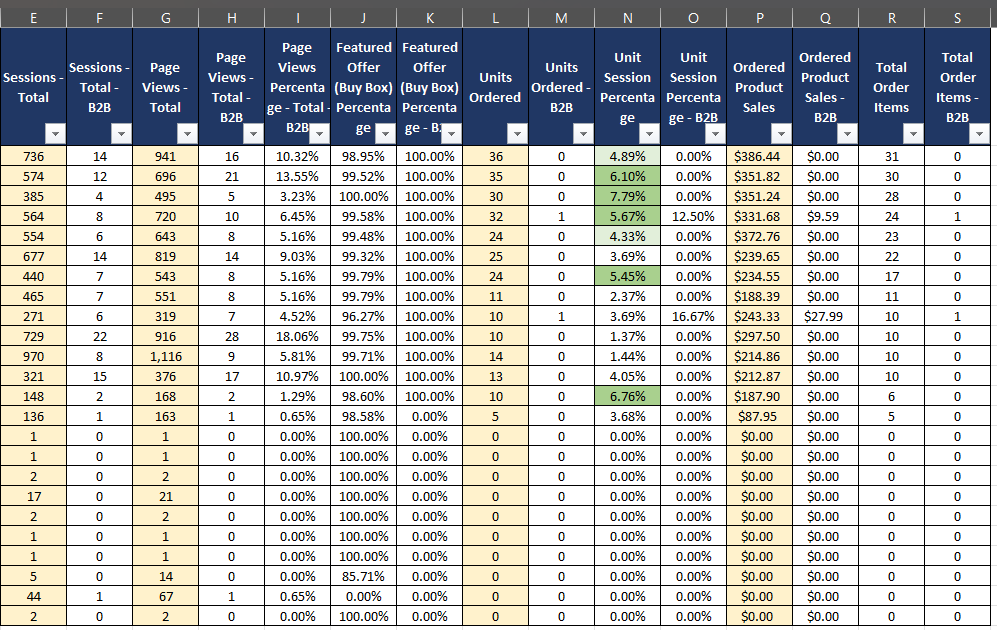
The five-product review reported conversion of 4.89% for the highest-revenue item, 7.79% for another product and 6.10% for a third.
 Enlarge image
Business-report excerpt: the first three rows show unit-session conversion of 4.89%, 6.10% and 7.79%. Product identity columns are omitted. These historical differences guide investigation; they are not proof of a particular content change’s effect.
Excerpt from the original audit image; identity columns or headers omitted.Open full sizeWhy it matters commercially
The largest seller was not the strongest converter in that snapshot. However, traffic mix and small samples can affect the comparison.
Recommended next move
Check sessions, margin, stock and attribution before a limited reallocation test. Evaluate the products independently rather than assuming the highest percentage must scale best.
Investigate customer experience before pursuing more exposure
What the review found
The report described a 4.1-star parent rating across 29 reviews and a declining rating trend. It raised taste and expectation alignment across different foods.
Why it matters commercially
More exposure can amplify a weak product experience. Review-source labels do not explain the underlying customer concern by themselves.
Recommended next move
Read recurring feedback themes, verify product issues and separate materially different food expectations accurately. Improve the experience rather than trying to influence honest reviews.